


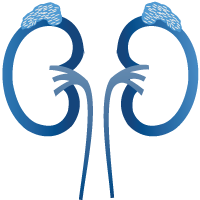



Urinary tract infection (UTI) after sexual intercourse is a very common condition, especially in women. Many women experience burning, frequent urination, pain while urinating, and a feeling of incomplete emptying within a few hours after intercourse. This condition is often referred to as “postcoital cystitis.”
This is not only an infection but is also related to the anatomical and functional characteristics of the bladder and genital area. The short female urethra, changes in vaginal flora, mechanical friction during intercourse, and certain personal care habits may increase the risk of infection.
Post-intercourse UTIs tend to recur and can affect quality of life — but they can be significantly prevented with the right measures.
Symptoms After Sexual Intercourse
Symptoms usually begin hours after intercourse:
- Burning or stinging during urination
- Frequent urge to urinate
- A feeling of incomplete bladder emptying
- Lower abdominal pressure or discomfort
- In some cases, foul odor or cloudy urine
Although these symptoms suggest infection, it is not always bacterial; sometimes urethral irritation can cause similar complaints. Therefore, proper evaluation is essential in women with recurrent symptoms.
What Causes UTIs After Sexual Intercourse?
The most common mechanism is the transfer of bacteria from the vaginal area into the urethra during intercourse. In addition:
- Vaginal dryness and irritation
- Use of harsh cleansers and soaps
- Intercourse without adequate lubrication
- Frequent partner changes
- Weakened immune system
- Imbalance of vaginal flora
- The pH effect of semen and lubricants
can all increase the risk. Anatomical factors and urethral sensitivity also play a role in some women.
How to Prevent UTIs After Intercourse?
The following simple practices can significantly reduce infection risk:
1. Urinating after intercourse
This is one of the best-known and most effective prevention methods. Urine cleanses the urethra and reduces bacterial adherence.
2. Ensuring adequate vaginal lubrication
If there is dryness, friction increases, causing micro-irritation and making it easier for bacteria to adhere.
If needed, using a suitable lubricant is helpful.
3. Cleaning the area gently with water only
Harsh soaps, wipes, and vaginal douches disrupt the natural flora and create a suitable environment for infection.
Water alone is enough for cleaning.
4. Drinking plenty of water
Frequent urination helps keep the bladder and urethra clean.
5. Wearing cotton underwear
Non-breathable fabrics trap moisture and promote bacterial growth.
6. Probiotic support
Regular oral or vaginal probiotics help balance the vaginal ecosystem.
7. Treating vaginal dryness if present
Especially in postmenopausal women, local estrogen therapy can reduce infection risk.
If infections recur frequently, a doctor may consider a single-dose antibiotic or antiseptic protocol after intercourse.
When Should You See a Doctor?
Medical evaluation is necessary in the following situations:
- If symptoms recur more than 2–3 times a year
- If pain and burning last longer than a few days
- If there is blood in urine
- If fever, chills, or flank pain develops (possible kidney infection)
- If recurrent infections begin suddenly after menopause
For long-term recurrent infections, vaginal flora analysis, ultrasound, and urological evaluation may be required.
UTIs after sexual intercourse can largely be controlled with proper hygiene, awareness of pelvic health, and timely medical support.
The approach should not be merely “prescribing antibiotics,” but rather protecting the urinary and vaginal ecosystem.

You can fill out the form below to contact me, get information and make an appointment. Our coordinator will call you as soon as possible.